
Find Padel clubs & courts nearby!
Looking for a padel club or court near you?
Get instant access to club details, booking options communities, and equipment info.
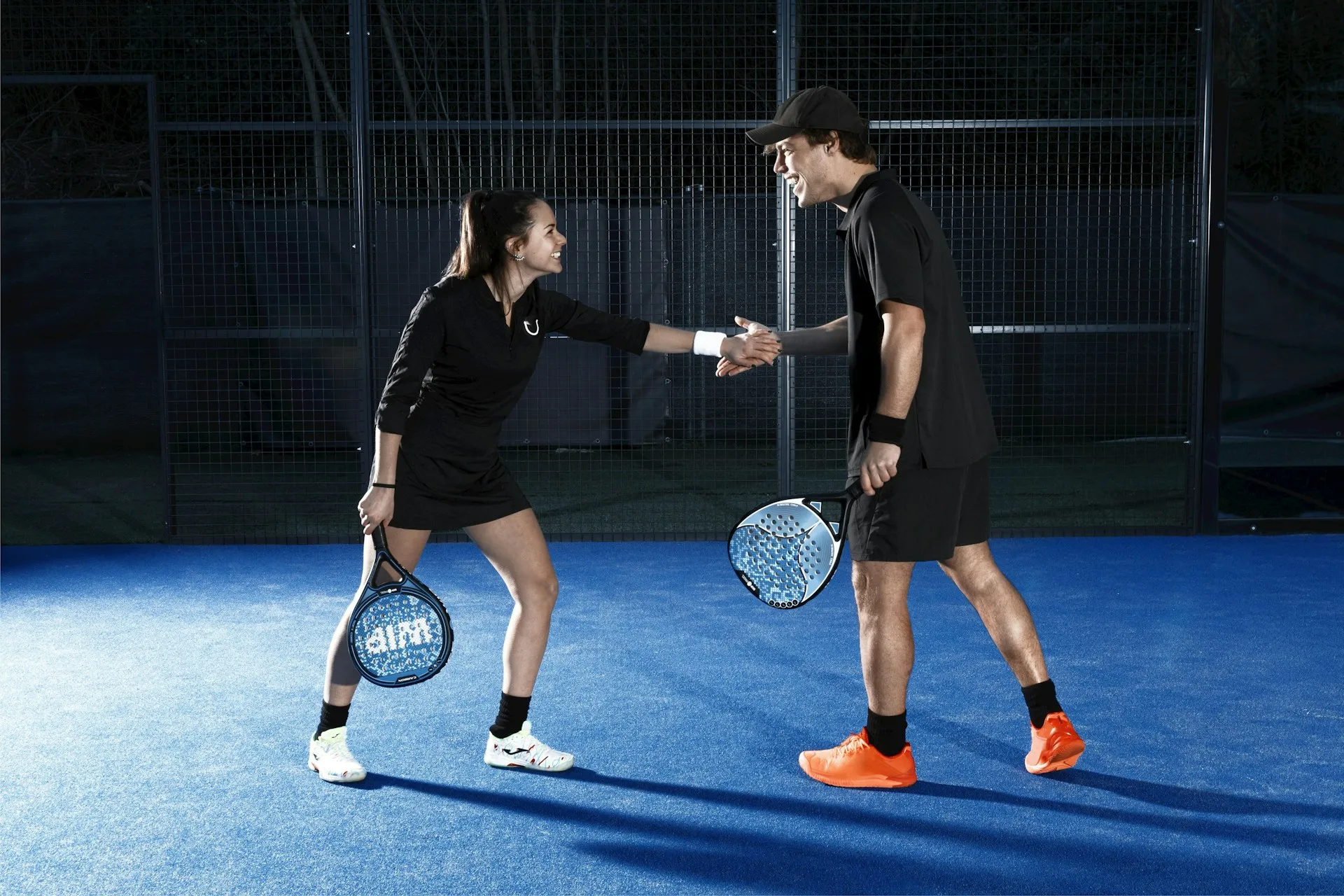




Recently added Padel clubs

GPADEL Borgo Po - Country Club Torino
GPADEL Borgo Po - Country Club Torino offers six indoor padel courts at Corso Moncalieri 346 in Torino. Free parking mak...

GPADEL Torino
GPADEL Torino on Via Cesana in Torino offers six indoor padel courts and free parking for easy arrivals. The club’s whee...

Cittadella dello Sport Bea & Stefania - Onlus Nida
Play at Cittadella dello Sport Bea & Stefania - Onlus Nida, a welcoming nonprofit padel hub in Torino, Italy on Corso Un...

SH Padel Graf
SH Padel Graf in Milano (Via Arturo Graf 4, 20157) offers four indoor courts for year‑round play. A warm, local club whe...

Centro Sportivo G. Catozzi
Centro Sportivo G. Catozzi in Milano (Via Cristoforo Madruzzo 3) invites padel players of every level with four indoor a...
There are many more locations
And that's not all. Check out hundreds more recently added clubs.
View moreFind padel courts by country.
Distributed all over the world. Where will your padel adventure take you?
Discover all countriesThe Global Padel Club Directory
Padel is one of the fastest-growing sports in the world – dynamic, social, and incredibly fun. What started as a niche trend in Latin America has now taken Europe, Asia, and beyond by storm. Every day, new clubs open their doors, more players fall in love with the sport, and communities flourish. But for all its momentum, one thing has been missing: a central, easily accessible place where padel lovers can find clubs, courts, and communities – no matter where they are.
That's where this directory comes in. We believe that everyone – from beginners to seasoned pros – should have free and easy access to up-to-date information about padel clubs around the world. Whether you're traveling and looking for a local court, moving to a new city, or simply want to discover what's around you, our directory is your gateway to the global padel community.
Padel isn't just about hitting the ball over the net – it's about connection. It brings people together across languages, countries, and cultures. And we're here to support that connection by making sure that no matter where you are, you're never more than a few clicks away from your next game.
From Backyard to Global Movement
Padel was born in 1969 in Acapulco, Mexico, when Enrique Corcuera had a creative solution to limited space in his backyard. By blending elements of tennis and squash and enclosing the court with walls, he unintentionally created a sport that would capture the imagination of millions. The idea quickly spread to Spain and Argentina, where it ignited a passionate following and laid the foundation for the global phenomenon we see today.
From a backyard in Mexico to clubs in every major city – padel has come a long way. But this is just the beginning. We’re not just building a directory – we’re building a community. A place where padel lovers around the world can find their next match, connect with others, and share their passion. Whether you’re new to the game or playing at a professional level, our mission is to help you find the perfect club for you.
Welcome to the world of padel. Welcome to padelclubs.net.
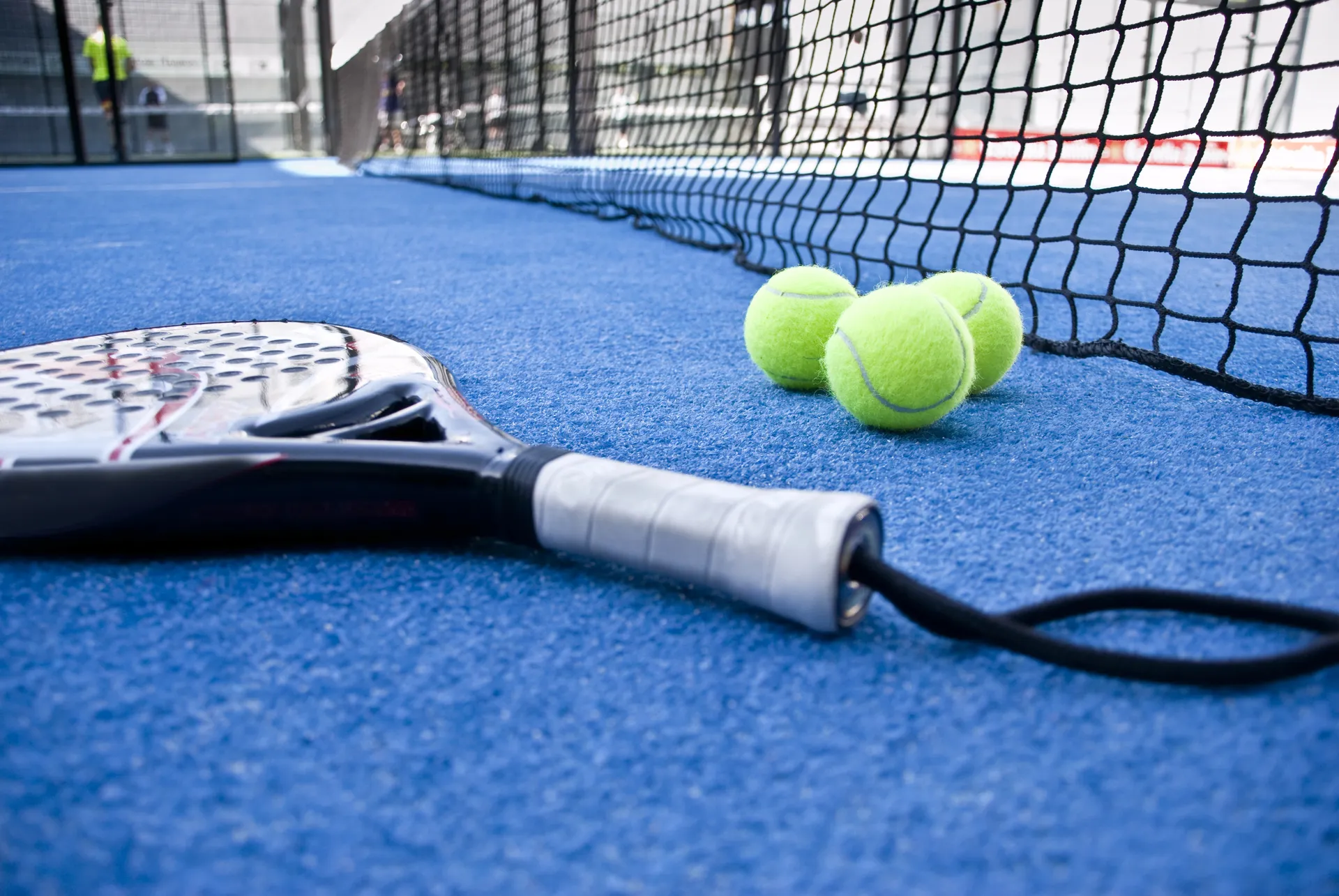
Who's behind Padelclubs.net?
We're not a company built in a boardroom — we're padel players who've spent years traveling the world, rackets in hand, searching for the best places to play. But every time we landed in a new city, the same problem came up: finding a decent court, a way to book it, and someone to play with was frustrating and time-consuming.
You search Google. Then you scroll through Facebook groups. Maybe you stumble on a WhatsApp link. But even when you find a club, there's no easy way to know if the courts are in good condition, whether you can rent rackets, or if the vibe fits your level and style of play.
That's why we started Padelclubs.
Our mission is simple: make it easier to play padel — wherever you are. Padelclubs.net is a growing, independent platform that helps you discover padel courts, clubs, and communities worldwide. We collect and organize real data: outdoor and indoor courts, opening hours, booking links, rental options, and local communities on WhatsApp and social platforms.
No paywalls. No ads. Just clean, useful info — for free.
Whether you're a beginner or a seasoned competitor, we want you to spend less time searching and more time playing.
We're building this because we needed it ourselves. And we're still just getting started. ¡Vamos!
Get to know usFrequently Asked Questions
Padel, often referred to as padel tennis, is an exciting racket sport combining elements of tennis and squash. However, it's more than just a combination of the two — padel has its own unique character, rules and dynamics. While many people internationally still say 'padel tennis', true fans of the game usually just call it 'padel'. In Spanish-speaking countries, it is often referred to as "pádel".
A standard padel court measures 20 x 10 metres, with a tolerance of 0.5%. The end walls and the first two metres of the side walls are enclosed by three-metre-high glass panels. The remaining sections of the sides must also be at least three metres high. On top of the glass walls, there is usually an additional one-metre-high metal mesh fence, which completely encloses the court.
Padel originated in Mexico and has become particularly popular in Spanish-speaking countries. It was developed in the late 1960s by Enrique Corcuera. It gained momentum in Europe when Alfonso Hohenlohe introduced it to Spain in 1974. The first two padel courts in Europe were built in Marbella, where Hohenlohe also helped to define the game's rules. Since then, padel has spread rapidly across countries such as Spain, Argentina and Brazil. In its early days, players competed on concrete courts using wooden rackets – a far cry from the modern facilities available today.
To play padel, you will need a padel racket and balls, as well as comfortable sportswear that allows for free movement. Padel shoes are also highly recommended, as they are designed for the specific court surface and provide extra stability. Many clubs also offer rental options for rackets and balls, which is ideal if you want to try the sport before committing to buying your own equipment. When buying a racket, choose one that matches your skill level. Beginner rackets tend to offer better control thanks to their softer materials, while advanced rackets are built for power and speed.
Padel is very beginner-friendly, offering fast fun right from the start. Complete beginners can typically play their first match after just 30–45 minutes on the court. To make things even easier, many clubs offer beginner workshops and training sessions to help players quickly learn the basics and jump straight into the game.
The scoring system in padel is very similar to that in tennis. Matches are played in sets, with each set consisting of games. Points within a game are counted as 15, 30, 40 and then the game itself. At 40–40 (deuce), a team must win an advantage point to secure the game. A set is usually won by the first team to reach six games. If both teams reach six games each, a tiebreak is played.
The main difference compared to tennis is the enclosed court. These walls add a new dynamic to rallies, requiring players to think strategically and use them to their advantage.
Padel is a dynamic sport characterised by long rallies and varied shot combinations. Unlike many other racquet sports, padel involves extended exchanges and frequent ball contact, making the game especially fun and engaging. Tactics and smart positioning often matter more than pure strength or endurance. Another major advantage is that padel is suitable for all ages and genders, so it can be enjoyed by everyone.
Padel is primarily played as a doubles game, with two teams of two players competing against each other. However, there are also special courts designed for singles matches, which are smaller and narrower. Singles matches are less common as padel is best enjoyed as a doubles game, where teamwork and strategy play a much bigger role. Nevertheless, singles can be a useful training alternative.
Padel is played on a smaller court measuring 10 by 20 metres, and up to three padel courts can fit on a single tennis court. The sport is mainly played as doubles, whereas tennis also features singles matches. Padel is generally easier and faster to learn, and it often results in longer rallies. A notable difference is the way serves are played: in padel, they are hit underhand, below hip height. Padel balls are also slightly softer and have less internal pressure than tennis balls, although they look very similar.
In short, padel is a social, easy-to-learn sport with a great atmosphere.
Padel rackets are shorter than tennis rackets and are made entirely from modern materials, such as fibreglass, EVA foam, carbon and polyurethane. Rather than having strings, they feature a solid hitting surface. The maximum dimensions are 45.5 cm long, 26 cm wide, and 38 mm thick. The hitting surface is perforated with holes ranging from 9 to 13 mm in diameter. For safety reasons, padel rackets include an adjustable wrist strap attached to the handle.
If you’re just starting out with padel, choosing the right racket can significantly impact how quickly you improve and enjoy the sport. The best rackets for beginners are typically lightweight and easy to handle, with a round head shape that provides a larger sweet spot. This shape provides a larger sweet spot, enabling you to hit the ball cleanly even if you don't make perfect contact in the centre.
Control and comfort are important for new players. That’s why most beginner-friendly rackets focus less on power and more on helping you to place the ball accurately and to develop a solid technique. A racket that feels too heavy or stiff can hinder your ability to learn proper form and may even increase the risk of injury.
Well-known padel brands such as Bullpadel, Head, Adidas and NOX offer excellent entry-level models that are ideal for first-time players. These rackets are often made from softer materials for better shock absorption and include features that make learning more enjoyable. Many also come at a reasonable price, so you don’t need to make a big investment right away.
If you’re unsure which model to choose, consider renting a beginner's racket from your local club or asking other players for recommendations. Starting with the right gear will help you build confidence and make it easier to fall in love with the game.
Yes! Many clubs regularly host social padel events that are open to players of all levels. Designed to be friendly, fun and inclusive, these events are a great way for beginners to meet new people, gain match experience and learn from more advanced players in a relaxed setting.
Most groups are welcoming and happy to help newcomers integrate into the game, even if your skills are still developing. Often, more experienced players enjoy sharing tips and encouraging others to improve.
Depending on the club’s booking system and availability, some of these events can be booked directly through The Padel Directory.
You don't need to bring your own racket to play padel. Most clubs offer affordable rental options, which makes it easy for beginners and casual players to join in without having to commit to buying equipment straight away.
Rented rackets are usually decent quality and suitable for occasional use, or for trying out different styles before making a purchase. However, if you play regularly, you might prefer to invest in your own racket for greater comfort and consistency, and to improve your long-term performance. Owning your own equipment also enables you to select a model that better matches your playing style and skill level.
The main difference lies in the environment and playing conditions. Indoor padel courts offer consistent conditions all year round, as they are protected from wind, rain and extreme temperatures. This makes them ideal for reliable match scheduling and serious training sessions, particularly in regions with unpredictable weather.
Outdoor padel courts, on the other hand, are open to the elements and provide a more natural and social playing experience. Playing outdoors can feel more relaxed and connected to the surroundings, particularly in warmer climates. However, matches may be affected or postponed due to the weather, and the court surface may wear out faster due to exposure to sun or rain.
Many clubs offer both options to cater for different preferences and seasons.
Don't worry — the sport is growing in popularity all the time! If you can’t find a padel court near you, try searching in neighbouring towns or cities. New courts are opening every month as demand increases, particularly in regions where padel is becoming more popular.
Here at Padelclubs.net, we regularly update our directory with new locations, clubs and booking options. You can also check back frequently or sign up for updates, if available. In the meantime, joining local WhatsApp or Facebook groups may help you connect with other players in your area, as some private courts or hidden gems may not yet be listed online.
Listing your padel club on Padelclubs.net is simple! If you’re a club owner or manager, simply get in touch with us via our contact page. We will then guide you through the process of submitting your club's details, photos, booking options and other useful information.
Our goal is to ensure that your club is visible to the thousands of padel players searching for courts worldwide. Whether you’re running a new facility or an established club, being listed will help you to attract players, promote events and connect with the growing padel community.
Listings are currently free, and we’re happy to help you get started.
Padelclubs.net is the perfect platform for anyone with a passion for padel, whatever their level of experience. Whether you’re a beginner looking for your first court, an experienced player seeking local tournaments, a coach offering lessons or a club owner wanting to increase your visibility, our platform is here for you.
Players can explore local clubs, check booking options, find communities to join and discover new courts when travelling. Coaches can use the site to connect with players and promote their services, while club managers can list their facilities to attract new visitors.
Padelclubs.net is open and free to use, and is designed to support the global padel community.
Padelclubs.net is the world’s leading platform dedicated to all things padel. Built by players for players, it serves as a centralised hub where enthusiasts can discover courts, book sessions, find coaches, join tournaments, explore local communities and access useful information, all in one place.
Whether you’re a beginner or a competitive player,
Padelclubs.net helps you connect with the global padel community. The platform covers clubs in dozens of countries and offers up-to-date details on facilities, rental options, booking systems and events.
It’s free to use, constantly expanding, and designed to make finding your next padel match easier, faster and more enjoyable.